This study presents a comprehensive look at changes in moth communities over five decades in central Sweden. It highlights significant increases in species richness and total abundance of moths, recording over 34,000 individuals from 410 species. The findings reveal that while some species have disappeared, many new species have colonized the region, suggesting a substantial biogeographical shift in moth populations.
Interestingly, this increase in diversity coincides with a homogenization of phenotypic traits, meaning that the moth community has become more uniform in terms of physical characteristics. This shift in traits is linked to broader environmental changes, with generalist species thriving while more specialized species decline. The study emphasizes the importance of monitoring such changes, as moths play crucial roles in ecosystems, both as pollinators and as a food source for other wildlife.
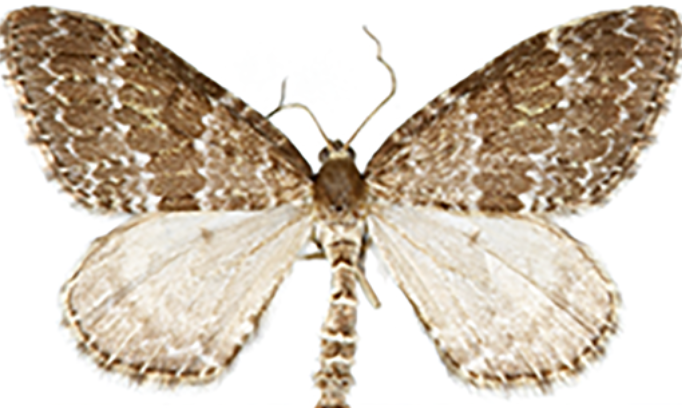
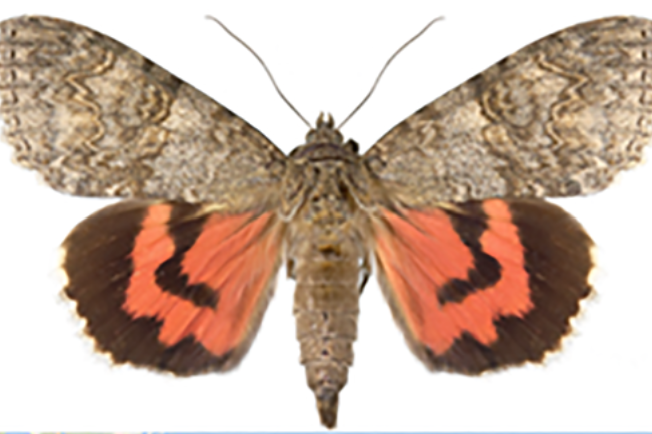
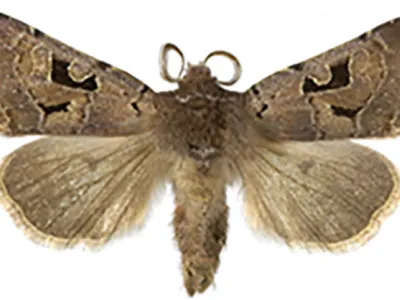
Example of studied species, Orthosia gothica Entephria caesiata and Catocala nupta.
Franzén, M., Francioli, Y., Sjöberg, G. et al. Positive shifts in species richness and abundance of moths over five decades coincide with community-wide phenotypic trait homogenisation. J Insect Conserv 27, 323–333 (2023). https://doi.org/10.1007/s10841-023-00458-y